
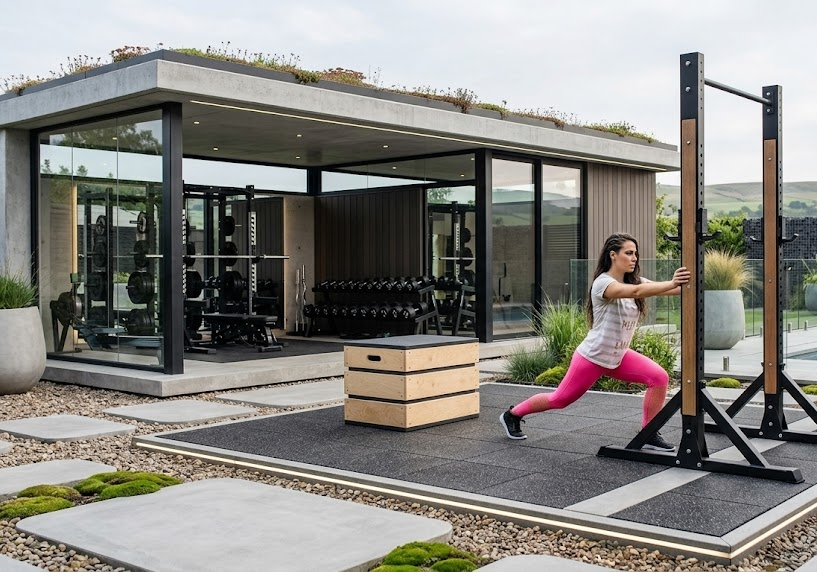
Many individuals overlook the fitness potential hidden in their own backyards. A simple patch of grass or a paved area can become a functional training environment with the right setup. This allows you to bypass crowded commercial gyms, ongoing subscription fees, and inconvenient commutes.
According to PureGym, 27% of UK people who cancelled their gym membership did so because it was expensive. A home training space removes that cost and puts control back in your hands.
However, building a functional outdoor gym requires thoughtful planning. An unsuitable base will crack if you drop a barbell, while improper equipment placement creates safety hazards. Get the foundation right, and this dedicated workout zone will last for years.
At Billy Armstrong, we help you transform your body and improve your health through personalised programs tailored to your goals.
Things to Know Before Building Workout Space
Here are some key things to understand before building your outdoor workout zone:
Plan Your Space Before Anything Else
A 2026 UK Active report found that one in four adults in England does not get enough physical activity. Setting up a training space at home removes the need to travel and reduces costs, making it easier to stick to a routine.
You must know how your training style impacts your layout. Bodyweight workouts, like calisthenics, need less space than heavy weightlifting. For bodyweight training and cardio, a 3 x 3 meters area is ideal.
If using a barbell with Olympic plates, you need to allow at least 2.5 meters of clear width plus extra space for loading. Knowing these footprint needs prevents you from buying equipment that will not fit your space. For overhead exercises, vertical clearance is the most critical factor to evaluate. A pull-up bar requires about 2.4 to 2.7 meters of clearance from the floor to the ceiling.
Don’t forget to measure the height of your flooring and any overhead beams. Knowing these measurements beforehand prevents costly purchasing mistakes. Here are the minimum internal clearances for common exercises:
| Exercise Type | Floor Space Needed | Overhead Clearance |
| Calisthenics / bodyweight | 3m x 3m | 2.4m |
| Barbell lifting (Olympic) | 3m x 4m | 2.4m |
| Cardio equipment (treadmill, rower) | 3m x 4m | 2.2m |
| Mixed training (multi-use) | 3m x 5m | 2.7m |
You also need to know the UK rules for permitted development. Garden buildings under 2.5 metres tall at the eaves typically don’t need planning permission. If within 2 metres of your boundary, the height should not go beyond 2.5 metres. Always confirm these height limits with your local planning authority before starting.
Ground Prepping Early
One of the most common mistakes is not knowing how vital ground preparation is for structural longevity. Soft or uneven ground can shift under heavy loads. This structural shifting puts stress on the building frame, creates trip hazards, and can shorten the life of your flooring. Knowing your soil limits helps you choose the right foundation.
To create a stable base, use a 100mm-thick concrete slab on a compacted hardcore or MOT Type 1 sub-base for heavy setups. For lighter setups, heavy-duty pressure-treated timber bearers on a levelled surface can suffice. Ensure the surface is level within 5mm across the span.
On top of the base, know the benefits of rubber gym flooring that is at least 15mm thick. This flooring absorbs impact, protects the structure, and reduces noise. The smell of fresh rubber on a cold morning shows that the space is ready for use.
Choose the Right Structural Shell
When shifting heavy weights and high-impact cardio out of the main house, standard off-the-shelf garden storage rarely cuts it. A dedicated fitness space requires thick timber framing and robust tongue-and-groove boards that can withstand both the elements and internal structural vibrations. Invest in heavy-duty sheds from Elfords, specialist UK manufacturers who ensure the building has the structural integrity required to support wall-mounted racks, heavy mirrors, and overhead pull-up bars safely over the long term.
Understand Airflow and Humidity
Intense workouts create a lot of heat and humidity. Understand that without sufficient airflow, moisture can build up on metal equipment. This causes stubborn rust, especially in damp UK winter weather.
Ridge or soffit vents let air flow naturally. If the building is sealed, use a low-energy wall-mounted extractor fan during and after sessions to control humidity. A wireless hygrometer helps you monitor moisture levels easily and accurately.
For a visual representation, explore this guide that explains effective shed ventilation ideas for controlling structural moisture.
Sort Safety and Practicality
Good lighting is essential in winter due to shorter days. Options like LED strip lights and ceiling panels provide bright, energy-efficient illumination. Effective clutter management is also important. Safely storing kettlebells, weight plates, and resistance bands on wall racks or upright plate stands can reduce the risk of accidents.
For better soundproofing, consider rubber gym flooring and mineral wool insulation behind plywood or drywall. This helps, especially during early morning workouts, and your neighbors will be grateful.
Conclusion
Knowing what goes into a dedicated outdoor workout space is a smart choice for your health. First, know exactly how much space you have. Understand how to prepare the ground properly, and choose a strong structure from the start. If you get these basics right, you’ll enjoy your training area every time you use it. Start planning and measuring today. For more insights, follow us on instagram.

